Your second pair of boots should be the cheap one
The AFLW census points to a two-boot rotation built on one main pair and an inexpensive second, without paying flagship prices twice.
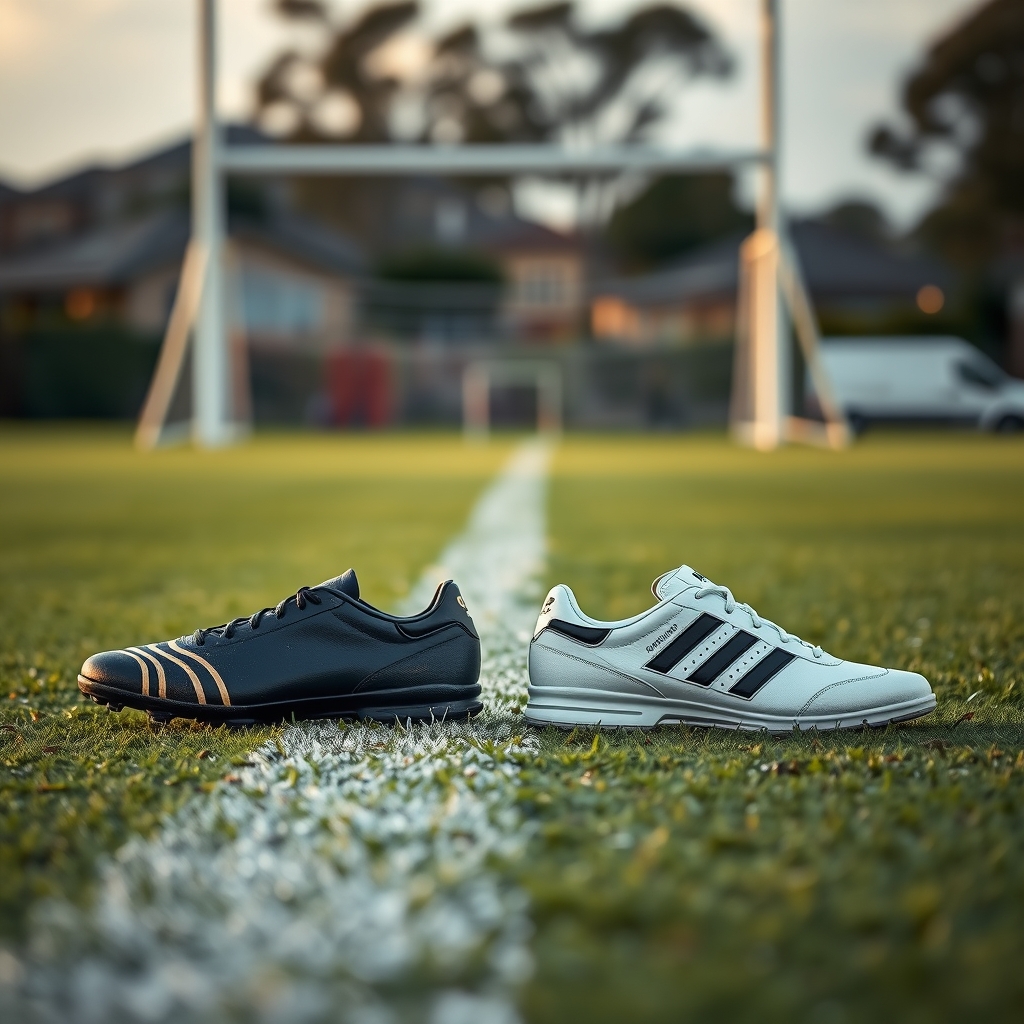
No. One good pair of boots is enough to play footy. But plenty of players end up owning two anyway - one for match day, one for training or the wet weekends when the first pair is still soaked - and the mistake people make is what they buy as the second pair. It should be the cheap one.
That is not a generous compromise; it is where the census already sits. The most-worn boot in our AFLW count is the Asics Menace 5: 117 AFLW players wear it, more than any other boot at that level, and it rates 3/5 rather than anything premium. The boot the women's league has thrown its biggest numbers behind is a workhorse, not a flagship.
If 117 professionals treat a mid-tier boot as good enough for senior football, its place in your bag - as the second pair - is settled before the argument even starts.
The league's shortlist is short
Behind the Menace 5, the AFLW shortlist runs in this order: the Asics Lethal Tigreor (89 wearers), the Asics Lethal Flash IT FF 3 (29), the Nike Mercurial Vapor 16 Pro AG (27), the Nike Tiempo Maestro Academy FG/MG (27), and the Nike Mercurial Vapor 16 Elite (22). Five boots - that is the whole conversation at the pointy end of the women's league, and not one of them carries a rating above 3/5.
The Elite detail is the telling one. Nike's top-shelf Mercurial, the boot with the full Flyknit upper and the 3/4-length Air Zoom unit, sits sixth, behind its own cheaper Pro version. If senior professionals picked boots on prestige, the Elite would be running first. It is not, and neither is anything else premium: there is no 5/5 boot anywhere in the AFLW top six.
The runner-up is the Asics Lethal Tigreor, and it makes the case from the other direction - a kangaroo-leather boot with HG10MM heel geometry designed to take load off the lower limbs, 89 players deep, still rated 3/5.
So the league has not converged on a flagship. It has converged on competent - boots good enough for senior football and neither marketed nor rated as anything more. Hold your second pair to the same standard, and the buying decision gets a lot easier.
The mid-tier boot pros actually train in
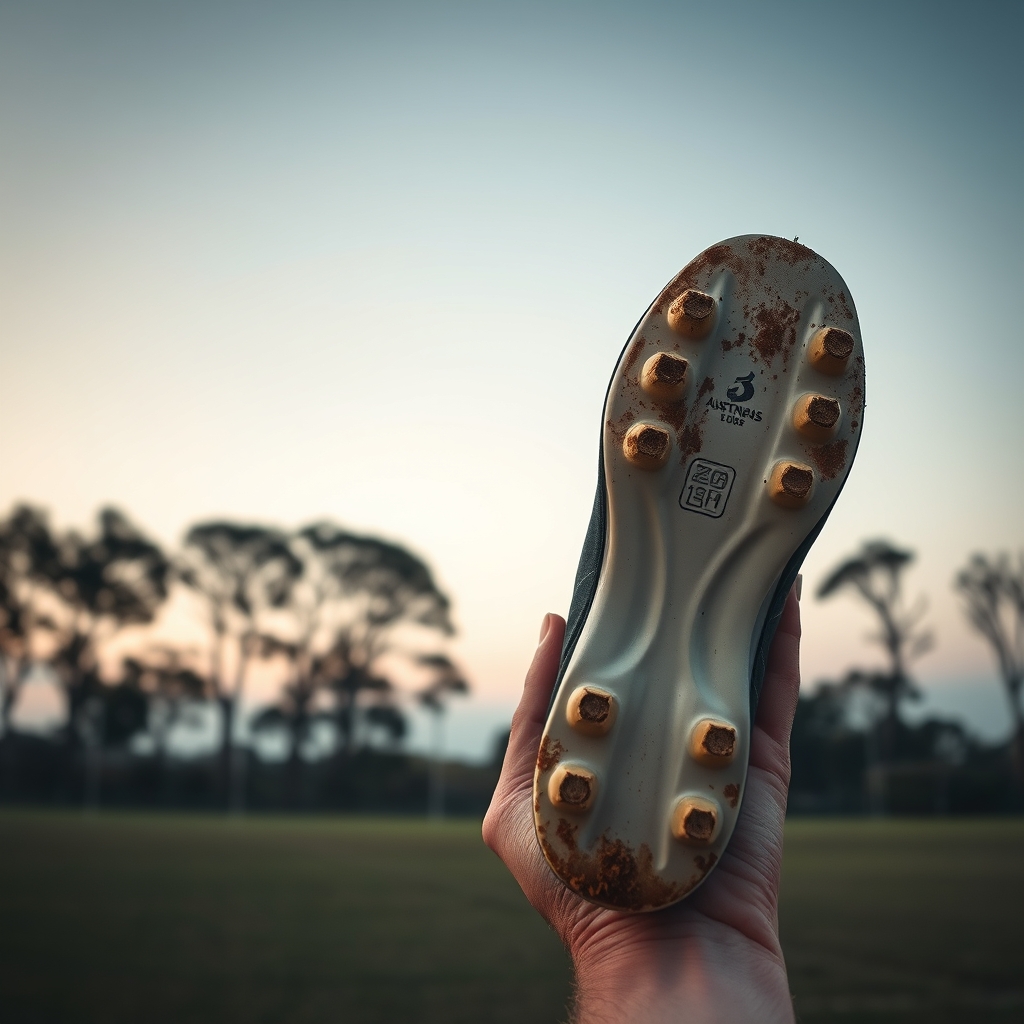
Nike's own labels make the argument. The Tiempo Legend is the flagship line; the Maestro sits a tier below it, in the Academy range, wearing a FlyTouch synthetic upper where the premium boot puts kangaroo leather.
The league wore it anyway - the Nike Tiempo Maestro Academy FG/MG sits level with the Mercurial Vapor 16 Pro AG in the AFLW census, which is a pointed result for a boot whose entire marketing job is to be stepped over on the way up to the Pro tier.
For a second pair, that construction is the point rather than the compromise. FlyTouch stays soft and consistent in wet and dry conditions, so the boot doesn't flinch when it's the one sent out on a soaked Thursday track. The cushioned sockliner does the thankless work a training boot is asked to do, session after session.
And the bladed studs at heel and forefoot grip natural and artificial surfaces alike - the FG/MG in the name is doing real work, because a second pair is precisely the boot you grab when you don't yet know which surface the session has landed on.
A match-day boot gets chosen for a specific ground. A backup should be the one that doesn't discriminate, and this is that boot at the tier the professionals have already voted for.
Pick the second boot by surface
The Maestro's trick is not caring which surface turns up. The Nike Mercurial Vapor 16 Pro AG argues the opposite case, and earns it at the same tier - Pro, not flagship. The AG in the name stands for artificial ground, and that matters because plenty of training ovals and suburban grounds are synthetic now. Firm-ground studs are built to bite into real turf, and on plastic that same bite becomes load through the ankles and knees instead of traction.
An AG plate is tuned for synthetic pile as its own discipline, and the AFLW census shows professionals choosing it deliberately rather than wearing a firm-ground plate and hoping.
Where the Maestro is the boot for the session you can't predict, the Mercurial is the boot for the season you can: if your football mostly happens on one surface, buy for that surface.
The boot underneath carries more substance than its tier suggests. Pro-level Mercurial means a full Flyknit upper rather than a cut-down mesh, the tacky skin finish built for keeping the ball under control at speed, a cushioned insole, and an Air Zoom unit in the heel. The step down from the Elite is one of degree - the flagship runs its Zoom pod further along the plate, the Pro keeps the same idea anchored under the heel.
For a boot doing the unglamorous work, most of the tech for a fraction of the flagship bill is exactly the trade you want.
So the rotation splits cleanly: one boot picked for the ground you play on, one picked for the ground you train on. If the midweek session lands on synthetic, the AG plate is not a spec-sheet luxury - it is the difference between a soleplate that matches the surface and one that fights it for eighty minutes.
Where the money is worth spending
Buy the cheap pair so the good pair can be genuinely good. A training boot gets judged on durability and how forgiving it is after six sessions in a row. A match-day boot gets judged on the two minutes that decide a game - the one touch, the one contest. Flagship money earns its keep there and nowhere else.
The Adidas Predator Elite FG is what that money buys. It carries the only five-out-of-five rating in the census, and 38 AFL players wear it - the strongest endorsement any boot in the data could ask for.
The tech backs the reputation: NanoStrike+ rubber zones give the tacky, soft touch a kick needs to come off clean, PowerSpine props up the midfoot through the strike, and the Strikeframe plate is built to hold traction in any conditions. This is a boot designed for the moment everything is on the line, worn by professionals whose games are decided in exactly those moments.
That is the standard your match-day boot has to clear. A training boot only has to survive; the boot that plays has to perform. The Predator clears both bars, which is why it sits at the top of the ratings while most of the league is still working out what to wear on a Tuesday.
Hold that line and the cheap boot stops feeling like a compromise. It becomes the reason the expensive one is still sharp where it matters.

The What's Worn Crew
Boot details and availability change - check with the retailer before buying.
Start with these
Evidence plates - the register's most-worn boots


Recorded by Kelso & Hobbes
Counts: the What's Worn census